
SureFix field notes
Termite Swarmers vs Flying Ants: What Cincinnati Homeowners Should Know
A springtime cloud of winged insects near a Cincinnati window can make any homeowner pause. It may be flying ants, or it may be termite swarmers: the reproductive adults that leave a mature colony to start new ones. The distinction matters, but one sighting is not a reason to panic. Use the insect’s shape and wings as an initial clue, then look at the home’s moisture, soil, wood, and hidden access points. This guide explains what to notice, what an inspection can uncover, and how steady maintenance supports a sensible termite-control plan.
01
Start with the body, wings, and antennae
Termite swarmers have a straight, relatively thick body with no sharply pinched waist. Their antennae are straight and bead-like. Both pairs of wings are similar in length and shape, often appearing cloudy or pale, and they may be shed near windows, doors, or light fixtures after the flight. Flying ants have a visibly narrow, pinched waist, elbowed antennae, and front wings longer than the rear pair. Color can vary, so do not rely on color alone.
02
Why Cincinnati homes can offer a route in
Cincinnati’s seasonal rain, humid stretches, wooded lots, older housing stock, basements, and crawl spaces can create conditions subterranean termites favor. These termites live in soil and seek cellulose in wood. Moisture from a leaking downspout, plumbing leak, poor grading, or damp crawl-space soil can make a foundation edge more inviting. Wood touching soil is another direct pathway: porch posts, lattice, old stumps, landscape timbers, buried scraps, and firewood stored beside the house deserve attention. These conditions do not prove an infestation; they identify places where an inspection should focus.
03
Mud tubes are a major clue
Subterranean termites build narrow shelter tubes from soil, saliva, and wood particles to stay moist while traveling between the colony and a food source. Check foundation walls, crawl-space piers, sill areas, utility penetrations, porch supports, and the back of basement walls. Also look for blistered or peeling paint, darkened or hollow-sounding wood, frass-like debris, and discarded wings. Mud tubes are important evidence, but an old or broken tube does not by itself reveal whether activity is current.
04
What an inspection should cover
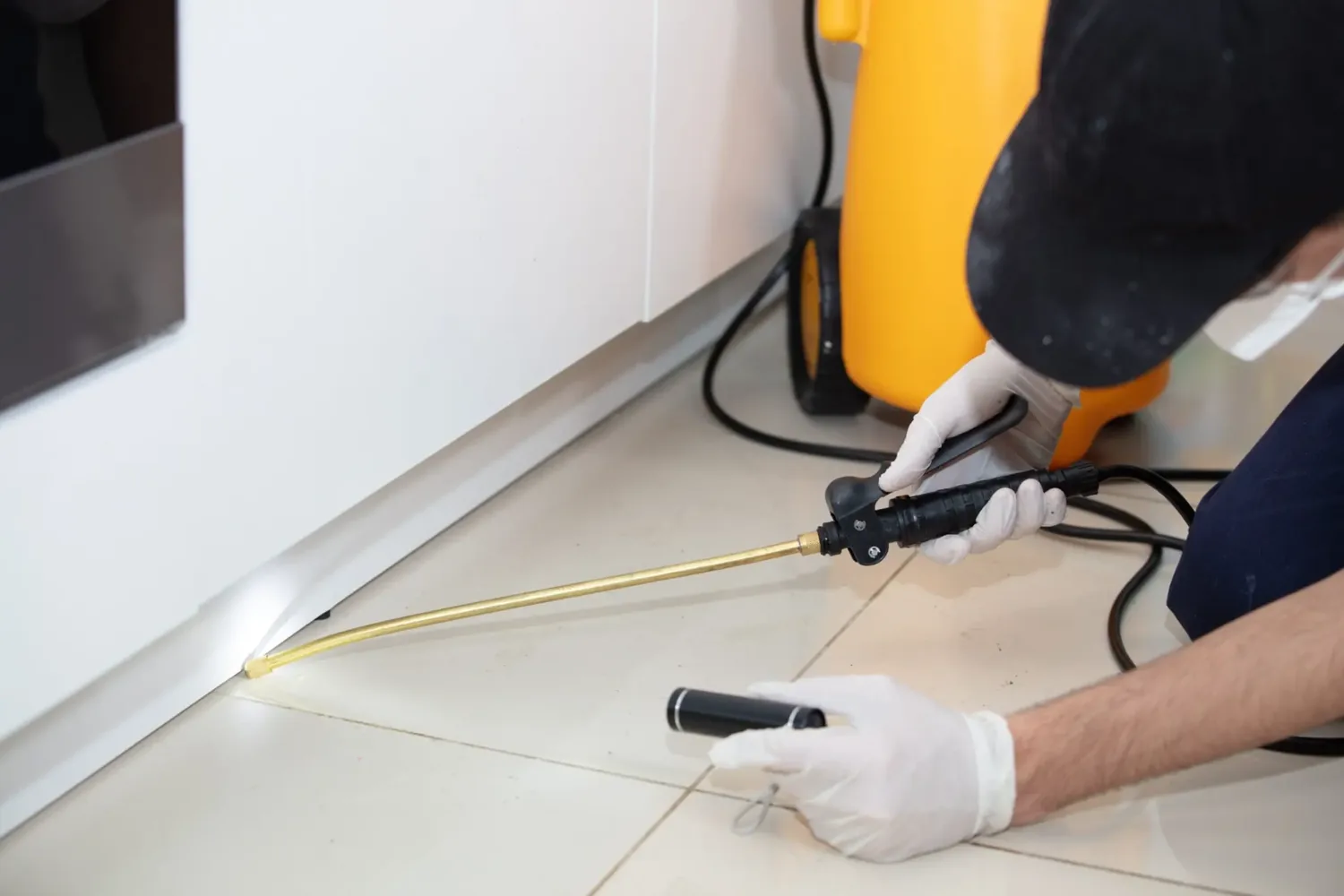
A useful termite inspection is broader than looking for insects at one window. The inspection should trace the foundation perimeter, basement and crawl space, accessible framing, porches, garages, attached structures, plumbing and utility penetrations, drainage patterns, and visible wood-to-soil contact. It should also consider prior treatment or repair history when available. The inspector can probe exposed wood where appropriate, distinguish ant activity from termite evidence, assess conducive moisture, and map areas that need monitoring or repair.
05
Monitoring and installation: matching the plan to the property
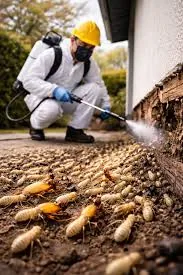
After inspection, termite protection may involve monitoring stations, a baiting system, a soil-applied treatment, targeted wood treatment, or a combination selected for the structure and site. Monitoring stations need thoughtful placement and scheduled checks; installation is not a one-time substitute for observation. A plan should account for slab edges, crawl spaces, additions, landscaping, drainage, wells, pets, children, and areas that cannot be readily accessed. Ask what will be inspected, where equipment will go, how activity will be documented, and how follow-up visits will work.
06
Repairs and maintenance close the easy doors
Termite control works better when the home is less attractive and easier to inspect. Repair roof, plumbing, gutter, and foundation leaks promptly. Keep gutters and downspouts moving water away from the structure, maintain positive grading where possible, and keep crawl spaces ventilated and dry. Pull mulch and soil back from siding and foundation areas, remove stumps and wood scraps, store firewood away from the house and off the ground, and trim plants that conceal the foundation. Replace damaged wood after the source of moisture or access is addressed.