
PEST CONTROL FOR OVER-THE-RHINE HOMES & APARTMENTS

Practical pest control for OTR’s historic, busy blocks

A measured plan for older homes, multi-unit buildings, storefront-adjacent residences, and the everyday access points that pests use.

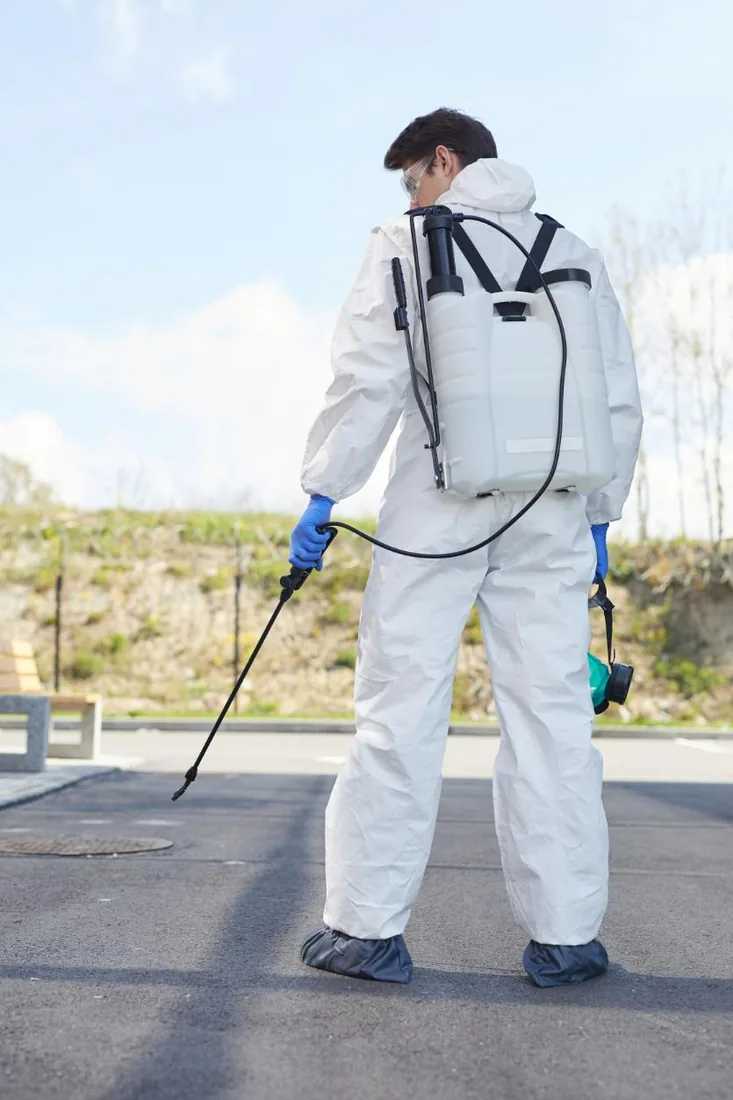
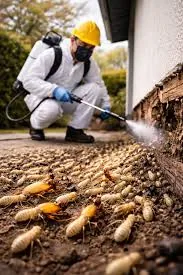
Over-the-Rhine combines a compact, walkable streetscape with historic Italianate buildings, busy corridors such as Vine and Main Streets, homes near Washington Park, and a mix of residential and commercial activity. That mix can make pest work less about blanket treatment and more about tracing entry, food, water, and shelter. A SureFix visit starts with an inspection of kitchens, baths, basements, utility penetrations, doors, windows, trash areas, and shared-wall conditions. The next steps may include monitors, screens, door sweeps, or targeted seals, plus practical corrections around moisture and access.

Start with a conversation

Tell us what you’re seeing.

A neighborhood-aware start

Look at the property.
Then choose the next step.

Every Cincinnati address has its own edges, openings, moisture patterns, and daily rhythms. SureFix starts with the details around your Over-the-Rhine property.

01

Start with the building, not assumptions

An inspection looks for current activity and the conditions that support it: droppings or tracks, gaps at thresholds, loose screens, pipe and wire openings, damp corners, cluttered storage, and warm, hidden spaces behind appliances.

02

Close practical entry and moisture routes

Where useful, service may include installing or adjusting monitors, tight-fitting screens, door sweeps, and seals around windows, vents, utility lines, and other openings.

03

Maintain control through changing seasons

A maintenance plan keeps attention on the places pests return to: kitchens, bathrooms, basements, trash areas, loading or service edges, and sheltered exterior gaps.

04

Prepare your OTR home or unit

Before an appointment, clear access beneath sinks and around appliances, store food in closed containers, remove standing water, and note where you saw activity and when.

Common questions

Over-the-Rhine
answers, clearly.

Concise answers to common Cincinnati-area pest questions. The property and observed conditions determine the useful next step.

How do I know if I have cockroaches in my OTR apartment?+

Look for live or shed insects, pepper-like droppings, egg cases, or activity in warm, dark, moist areas such as kitchens, bathrooms, and spaces behind appliances. A focused inspection can help locate the source.

What attracts cockroaches inside a home?+

Food residue, standing water, leaks, warmth, clutter, and gaps around doors, windows, pipes, and wires can support activity. Shared walls and service chases can also connect areas in multi-unit buildings.

How can I keep mice and insects out of an older home?+

Seal gaps around thresholds, windows, vents, pipes, and wires; use tight screens and door sweeps; reduce moisture; store food closed; and keep storage and trash areas orderly.

Are pest monitors useful between service visits?+

Yes. Monitors can show where activity is concentrated and whether conditions are changing. Place them where pests travel or hide, and record dates and locations so patterns are easier to identify.

What should I do before a pest-control visit?+

Clear access beneath sinks and around appliances, store food, remove standing water, note sightings and timing, and share details about pets, children, leaks, renovations, and shared walls.

Take the next practical step

Keep the next step
clear and practical.

Tell SureFix what you are seeing in your Over-the-Rhine home or building. A visit can map likely entry points, moisture conditions, and activity areas, then outline focused next steps for inspection, exclusion, treatment, and ongoing prevention. Clear preparation helps keep the visit focused and gives residents a practical starting point for the work ahead.

(283) 209-0361 →